
Gia Marie Carangi

















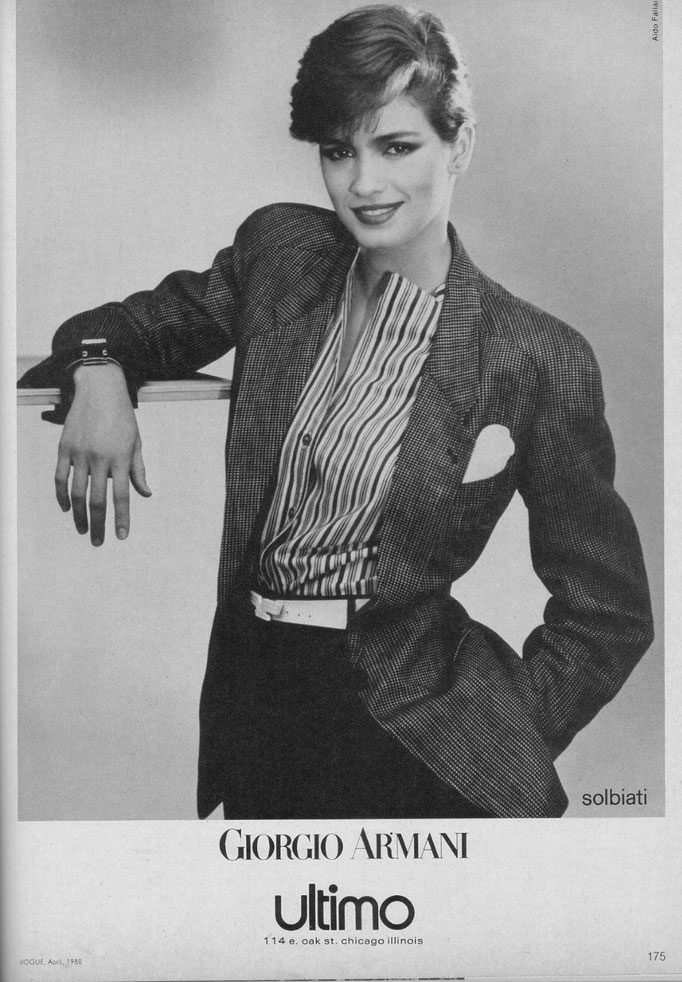





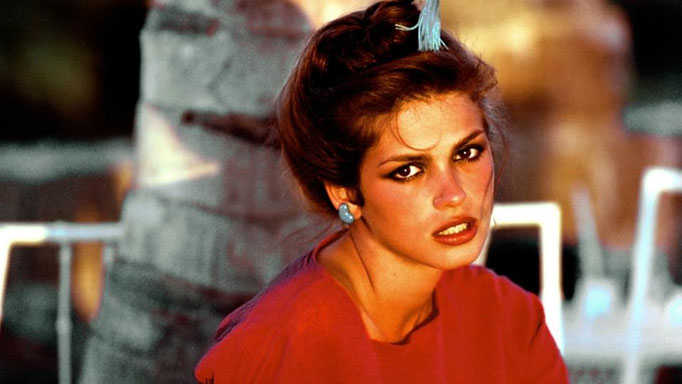
Name: Gia Marie Carangi
Born: 1960 (Philadelphia, Pennsylvania, the United States of America)
Birthday: 29 January
Died: 18 November 1986
Nationality: American
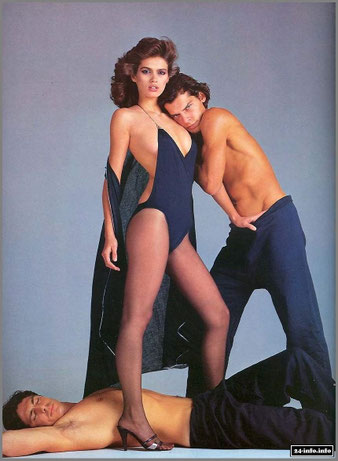
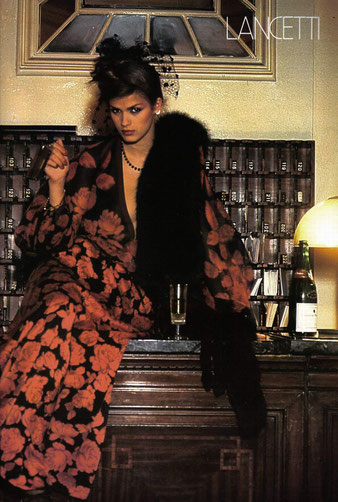

Carangi was born the third and youngest child of Joseph Carangi, an Italian restaurant owner, and Kathleen Carangi (née Adams), who was of Irish and Welsh ancestry. She had three older brothers, one from her father’s previous marriage, and a younger half-brother. Her parents had an unstable and often violent marriage. Eventually her mother left the family when Gia was eleven years old, although they remained in contact. After that she mainly lived with her father and later worked in his restaurant.
Relatives described her as a needy and manipulative child who strongly sought attention and later found it among other teenage girls, befriending them by sending flowers. Together they formed a glam-styled, unconventional group of friends and often visited gay bars. One of her friends later described her as tomboyish and open about her sexuality.
She was discovered at 17 after appearing in a newspaper advertisement and being noticed in a hair salon. During her first major photo shoot she met makeup artist Sandy Linter, with whom she had a relationship that lasted for about a decade, though it was often unstable.
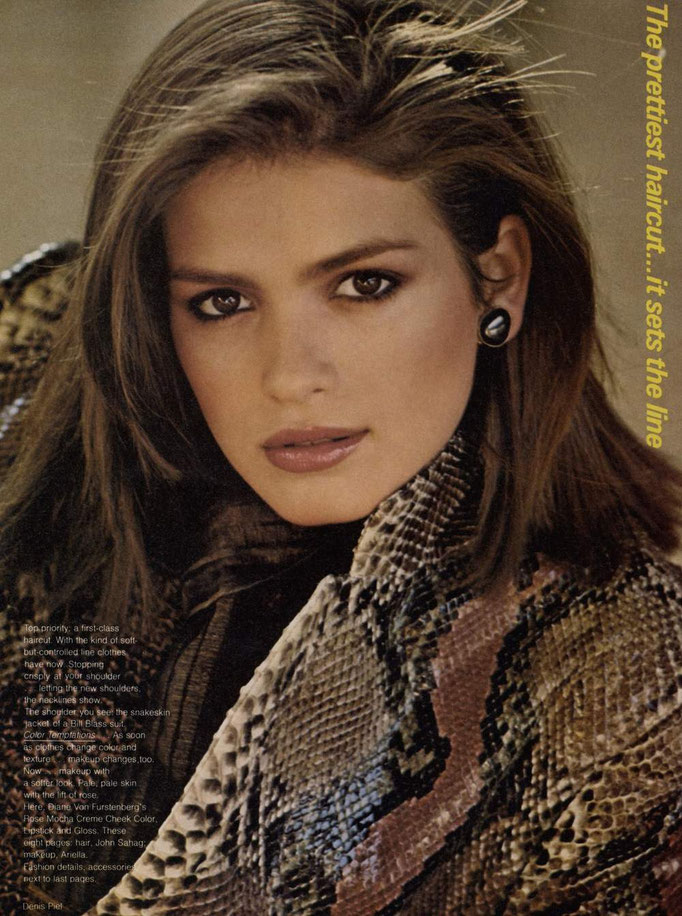
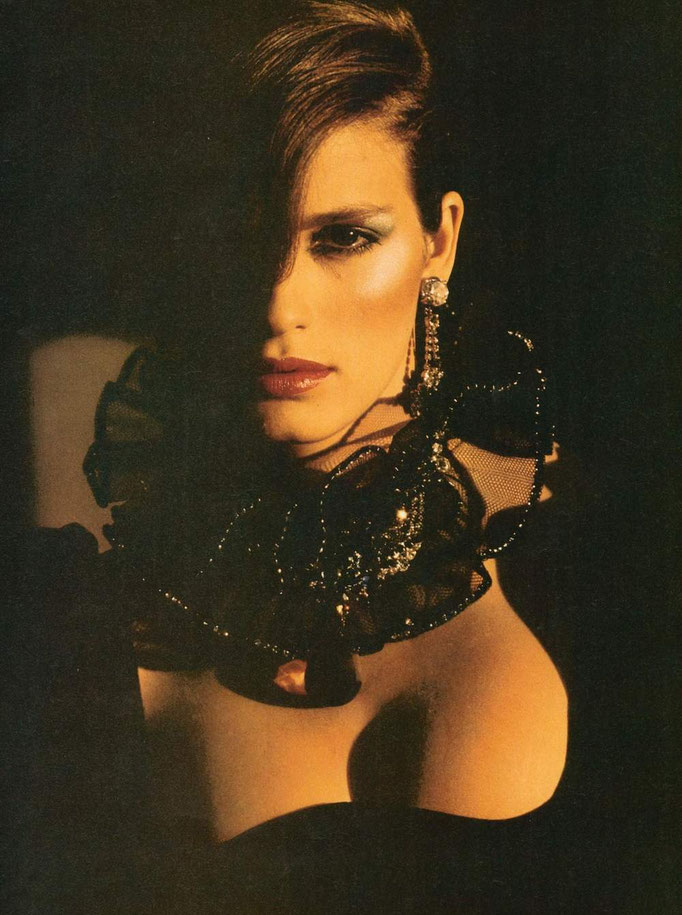
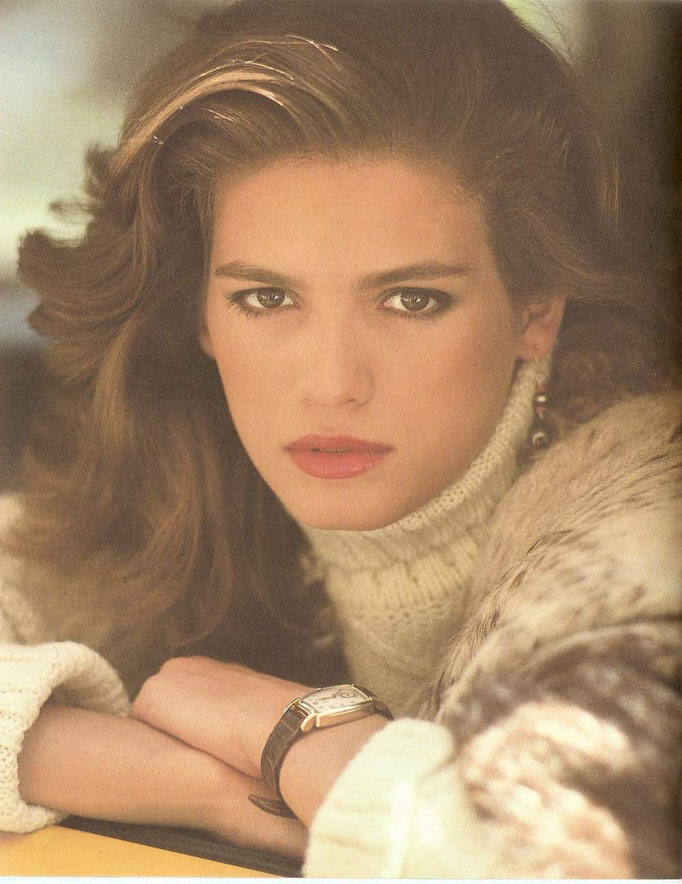
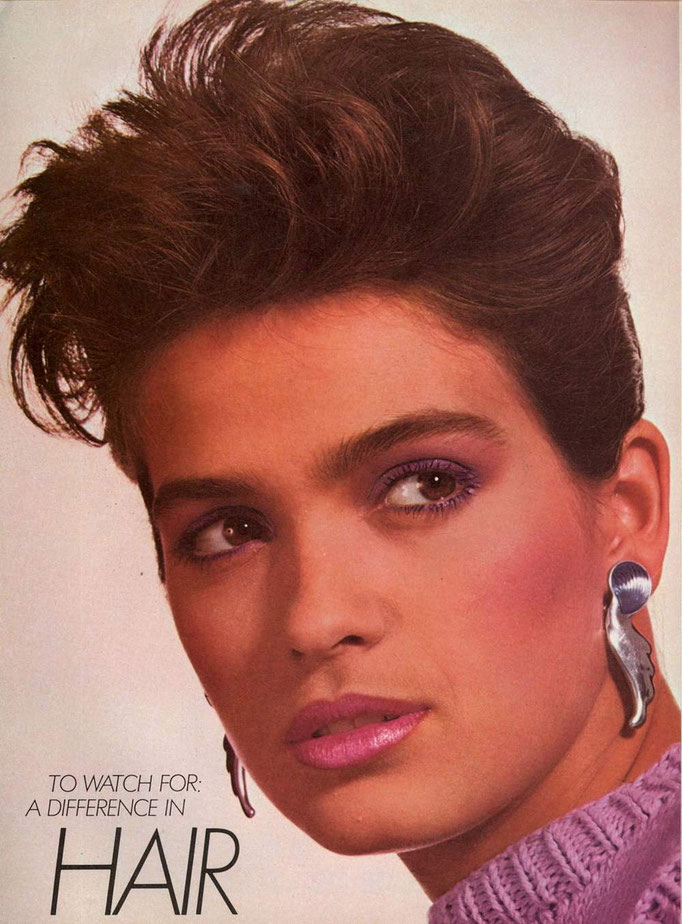
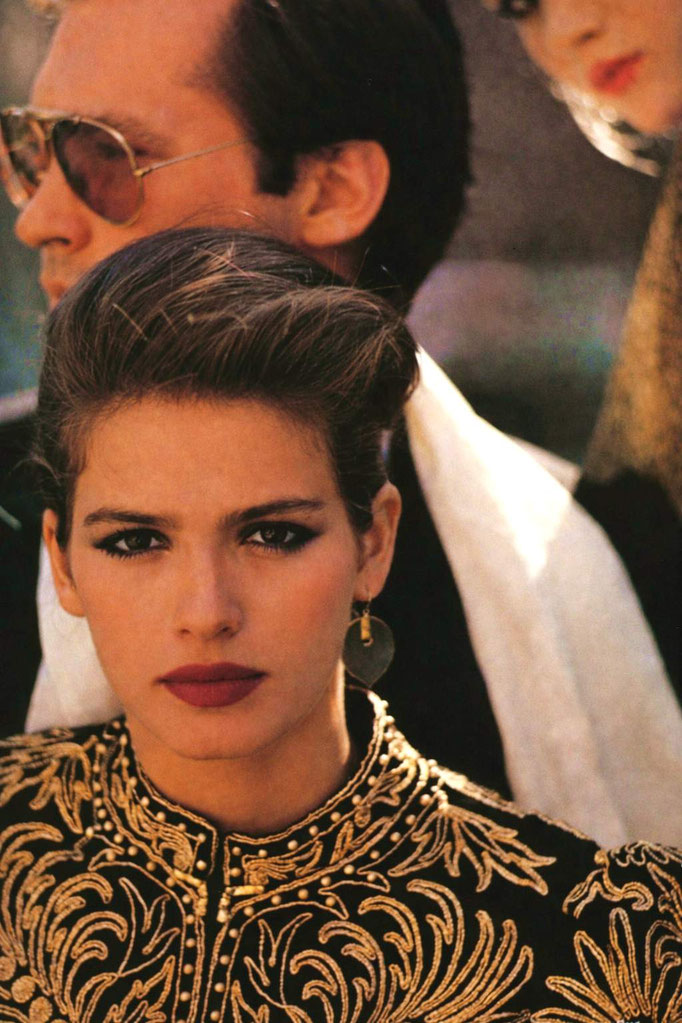
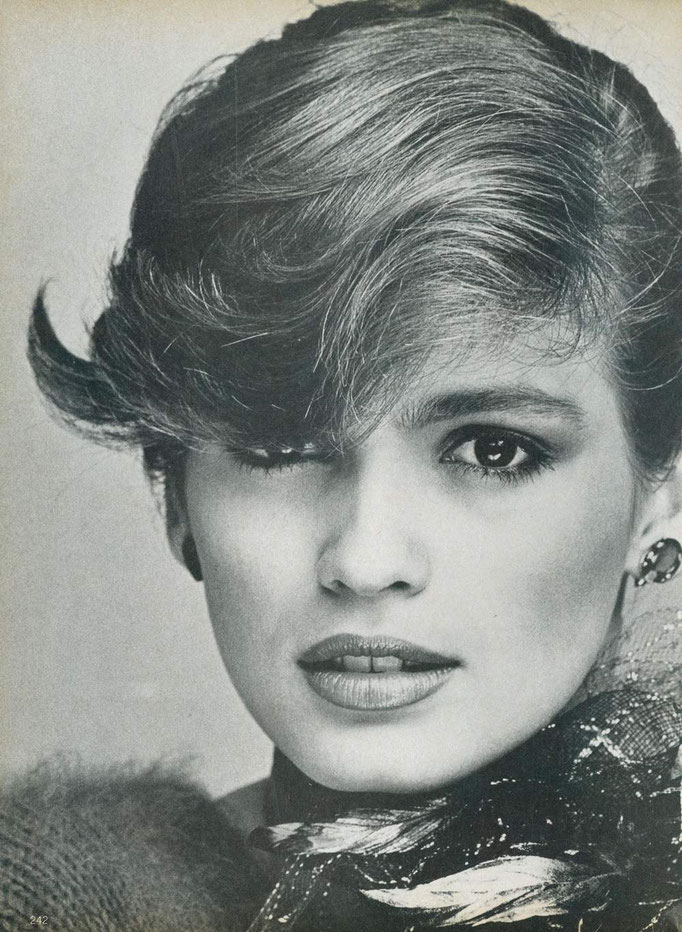
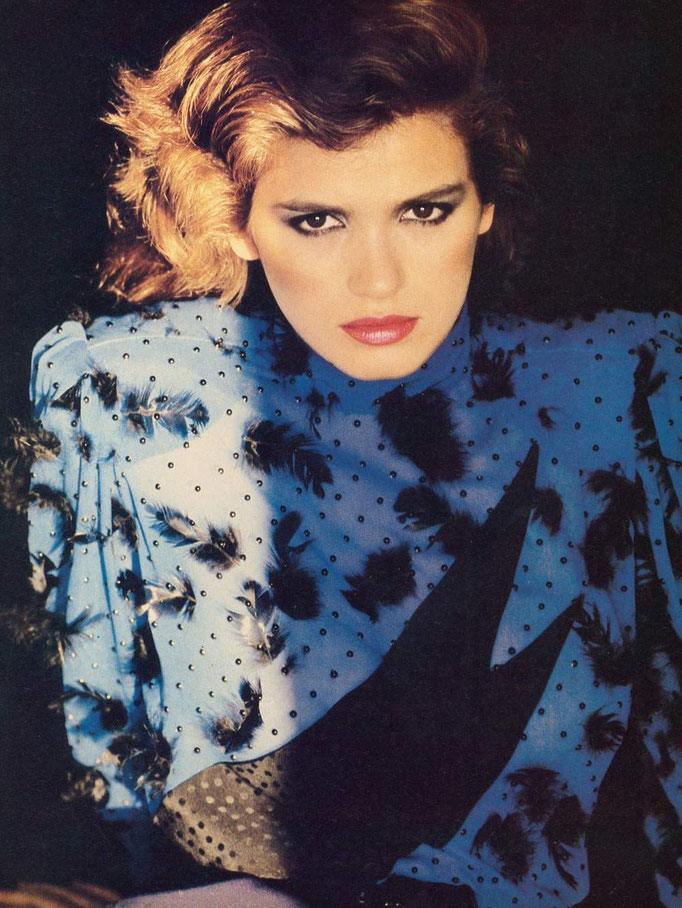
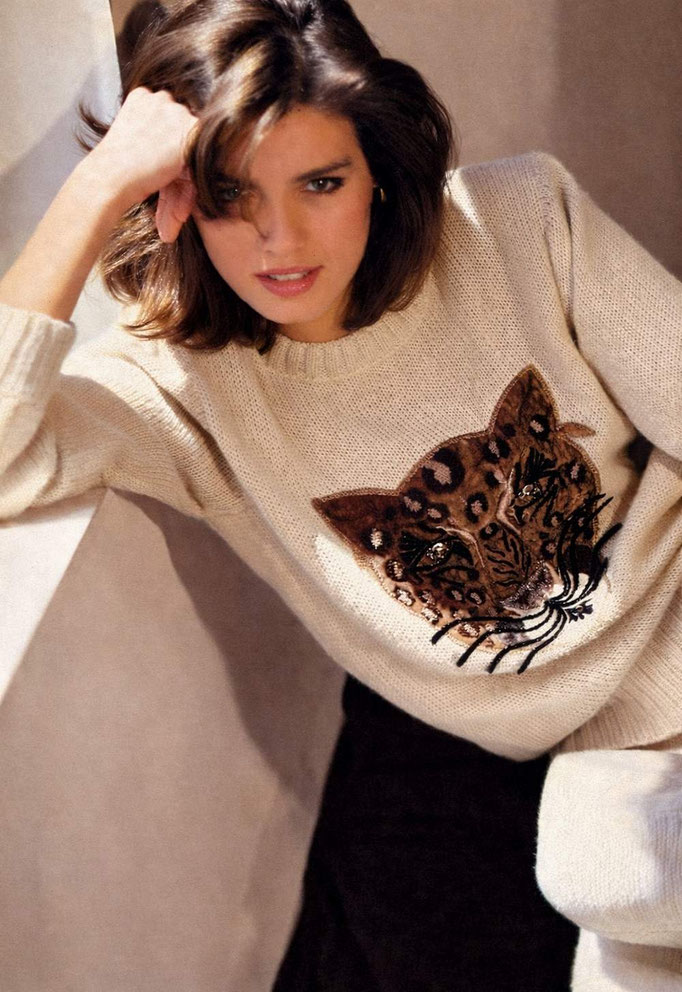
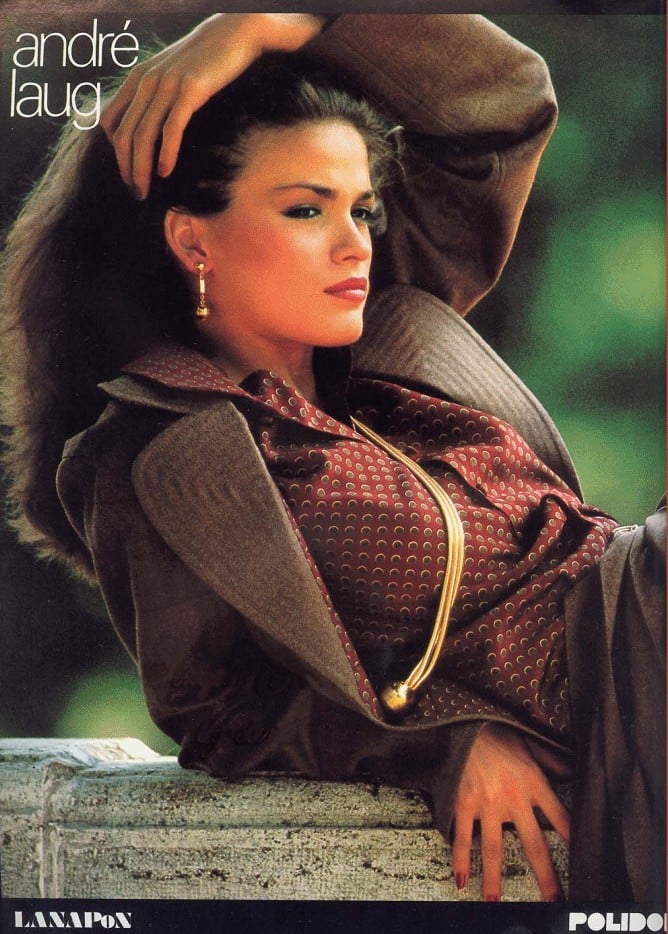
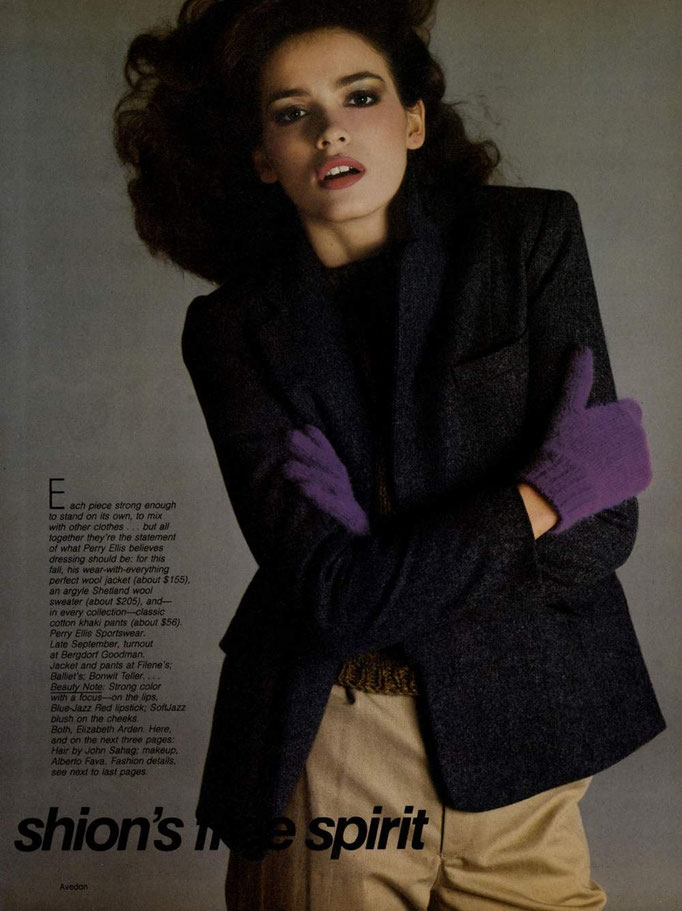
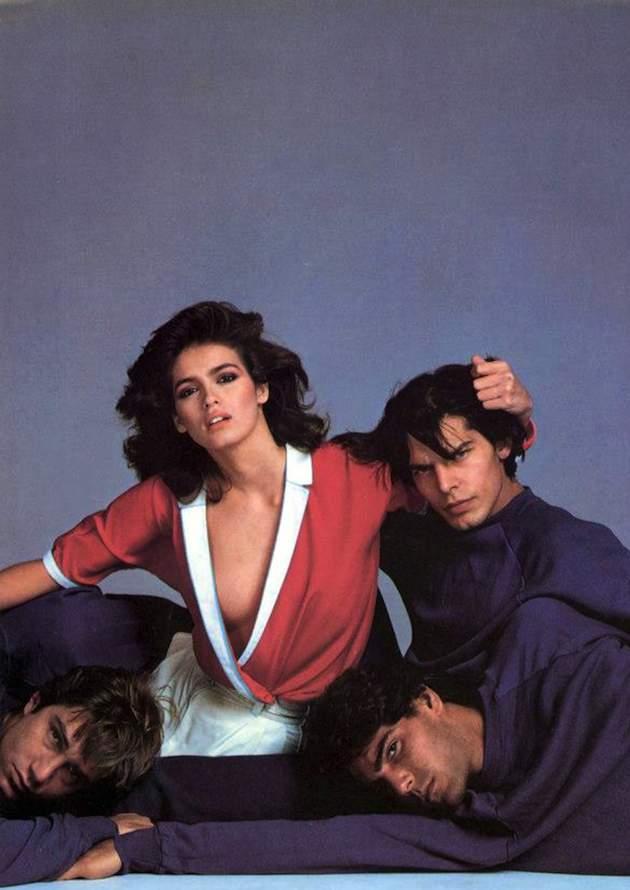
"Her dark hair, strong features and especially her intense gaze gave her photographs a raw, almost wild energy that stood out from the blonde model trend of the time and helped bring a new look to late-1970s fashion photography."
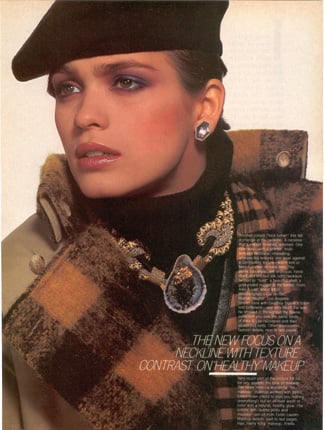
She worked with photographers such as Chris von Wangenheim, Francesco Scavullo, Arthur Elgort and Richard Avedon, and appeared in magazines including Vogue, Cosmopolitan and Harper’s Bazaar.
Gia had a troubled background and was later revealed to have been sexually abused at the age of five. She had already been using cocaine, but after the death of her agent and mentor Wilhelmina Cooper in 1980 she developed a heroin addiction that soon damaged her career.
Gia Carangi died in 1986 at the age of 26 from AIDS-related complications. She is commemorated on the AIDS Memorial Quilt.
Despite her short career, she remains an iconic figure in fashion history and is often seen as a precursor of the supermodel era that followed in the late 1980s and 1990s. Her life later inspired the film Gia (1998), and many historians note that her look anticipated the model type later represented by Cindy Crawford — early in her career nicknamed “Baby Gia” — and other supermodels.